Natural-language intent
Interpret requests expressed in everyday language and ask for clarification when a required preference or target is unclear.
The intelligence behind Omnicast
We are developing a Claude-powered interface that turns natural requests into coordinated cabin experiences, supported by a defined set of vehicle tools.
Why an intelligence layer
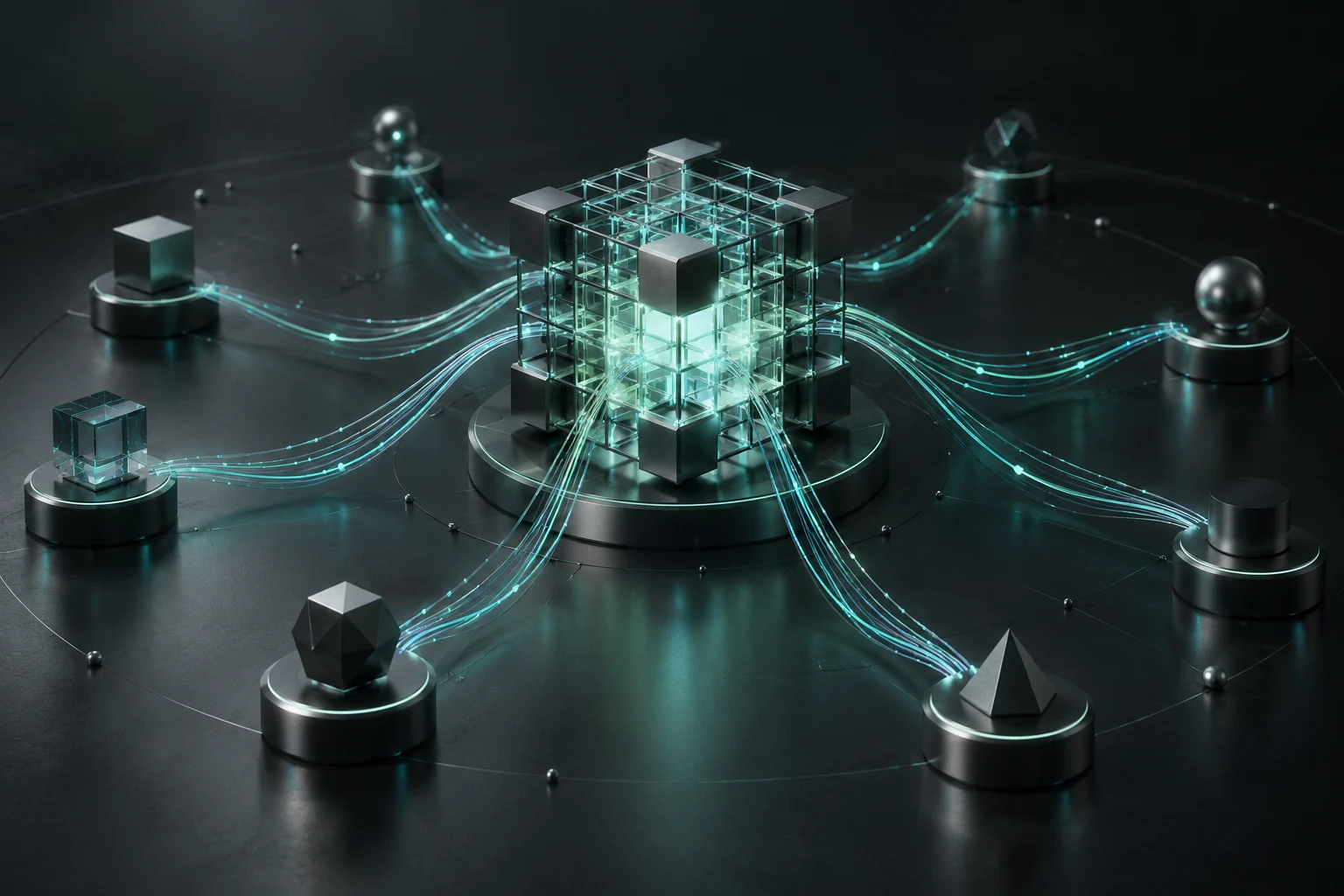
A useful cabin assistant needs to connect what a person says with a precise, supported action. Our Claude integration is designed around three responsibilities.
Interpret requests expressed in everyday language and ask for clarification when a required preference or target is unclear.
Use user-approved profiles and a declared capability list to propose a plan for the cabin experience.
Represent entertainment and comfort requests as structured tool calls, then explain their reported outcomes.
From language to a checked action
Our proposed architecture connects cloud intelligence to a controller at the vehicle. The controller is responsible for permissions, operating conditions and execution.
Push to talk. The voice layer transcribes the request and supplies relevant, permitted context.
Interpret the request and propose structured calls to the tools Omnicast has made available.
Check the capability, parameters, permissions, vehicle state and confirmation requirements.
Execute an approved action through the verified interface and read the returned status.
Return individual outcomes so the assistant can distinguish confirmed changes from failures.
Defined tools, bounded authority. Claude proposes actions through application-defined tools. It does not receive unrestricted access to vehicle systems.
Read Anthropic’s tool-use documentationExplore the experience
Try three illustrative scenarios and see how a vehicle-state rule changes the outcome.
“Omnicast, get the cabin ready for my commute.”
Coordinate music, climate and a saved destination through one request.
Interactive concept. This website does not record audio, call Claude or connect to a vehicle.
Intelligence with boundaries
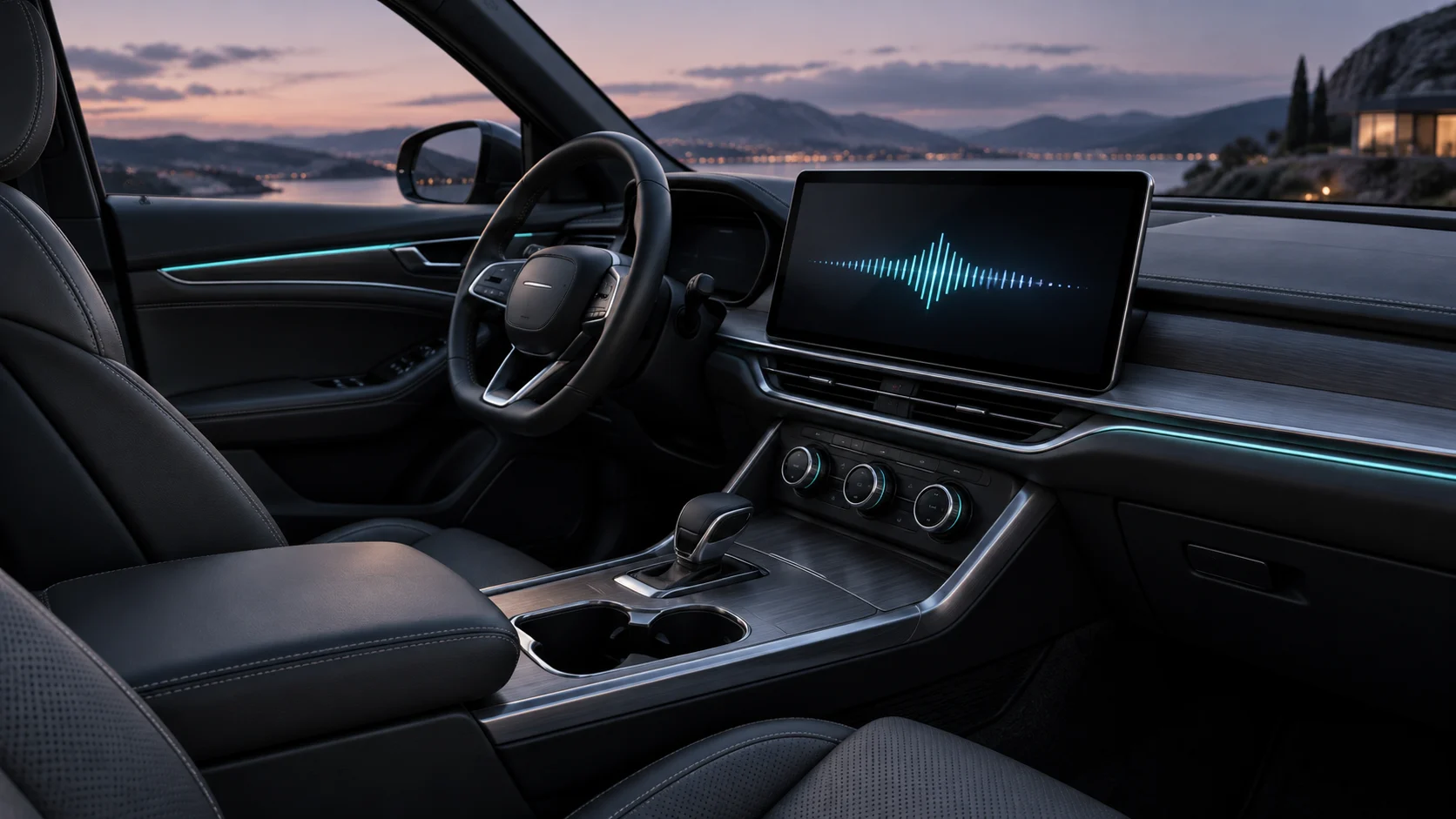
A model response alone never authorizes a vehicle action. The local controller checks the defined policy and current conditions.
Push-to-talk and a physical microphone cutoff are central to the design. Wake-word listening would be an optional, consented mode.
Profiles and contextual information must be permissioned. Voice-data processing and retention will be defined before vehicle trials.
Claude conversation depends on internet access. A basic local command set is a separate development goal, not an offline Claude capability.
Our scope is entertainment and comfort. Omnicast does not provide steering, braking, acceleration or airbag control. Seat and mirror changes require supported hardware, a parked vehicle and confirmation.
The architecture and safeguards described here are development goals, subject to implementation and vehicle-specific testing. Claude is an Anthropic product; no official Anthropic partnership is claimed.
Build with Omnicast
We welcome conversations with AI specialists, hardware teams and vehicle integration partners.
Explore a partnership